
You are here
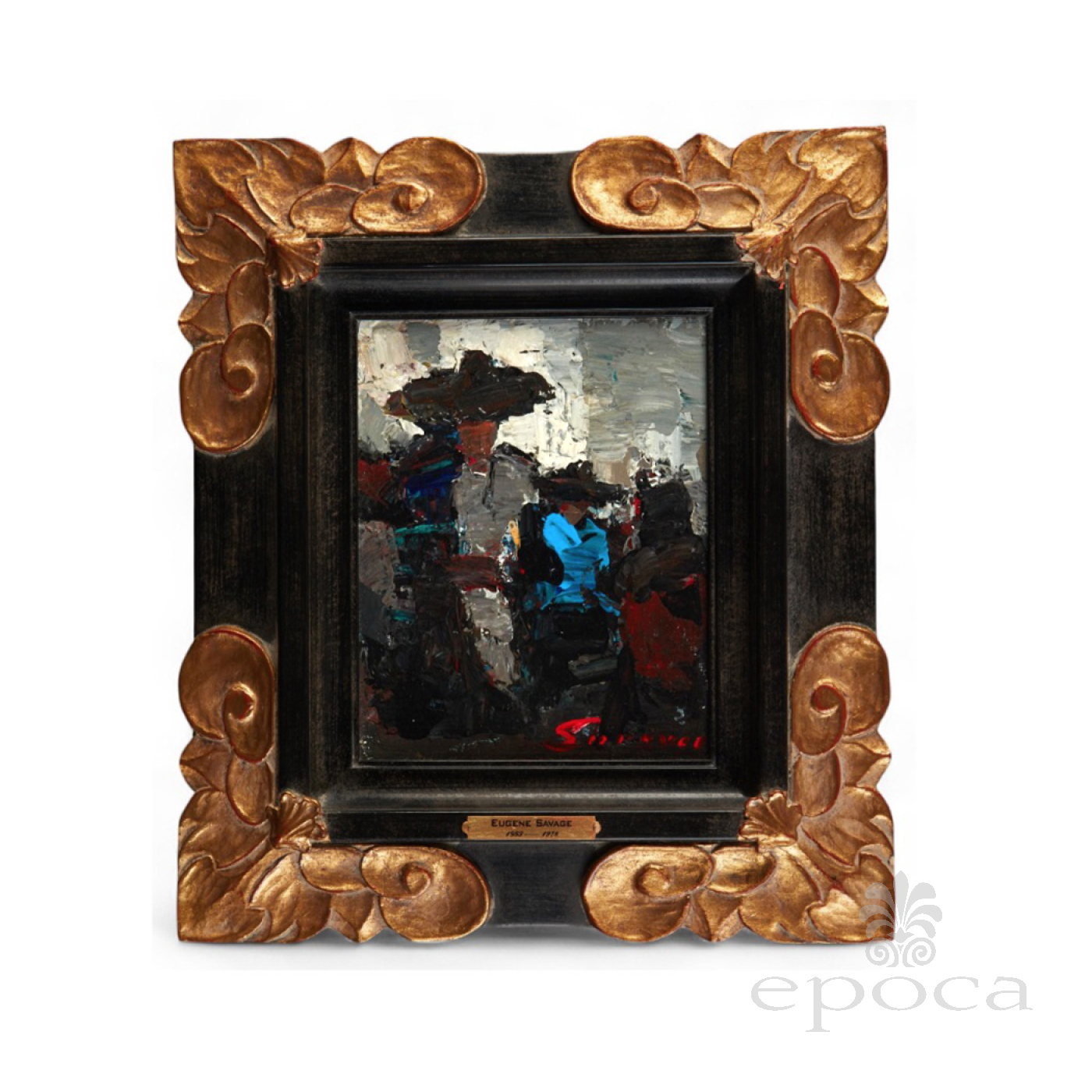
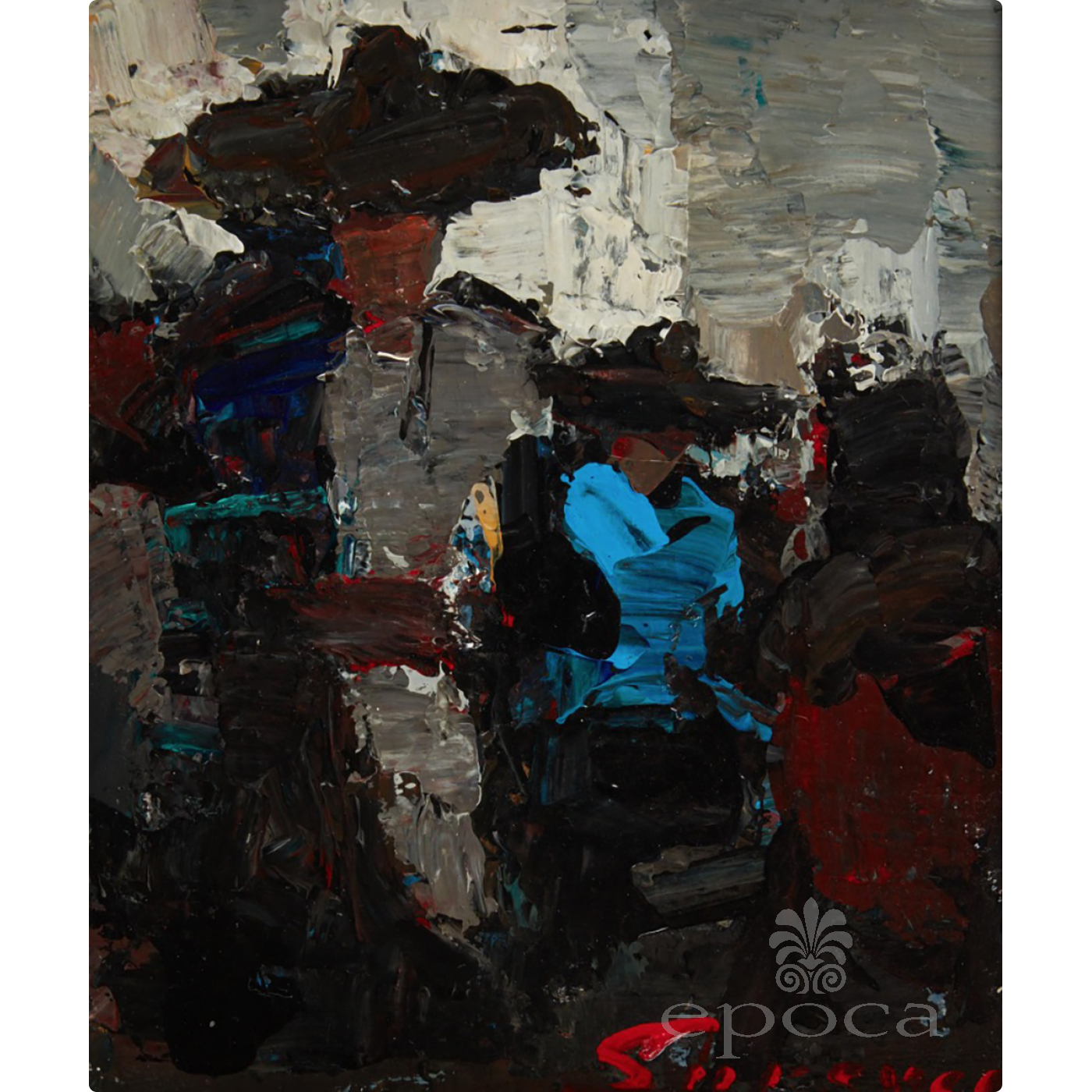
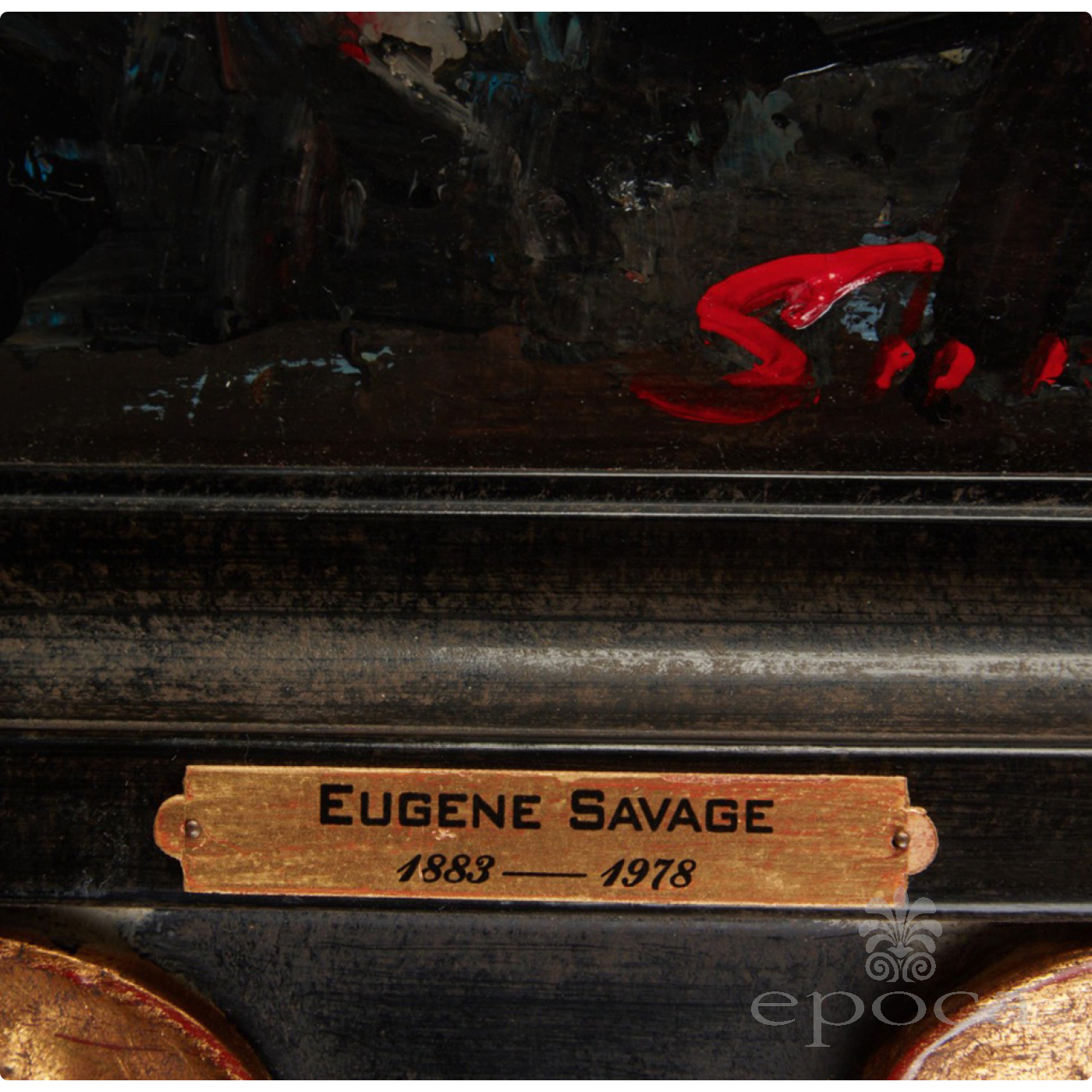
Eugene Francis Savage (American, 1883-1978) Woman in a Hat, oil on board
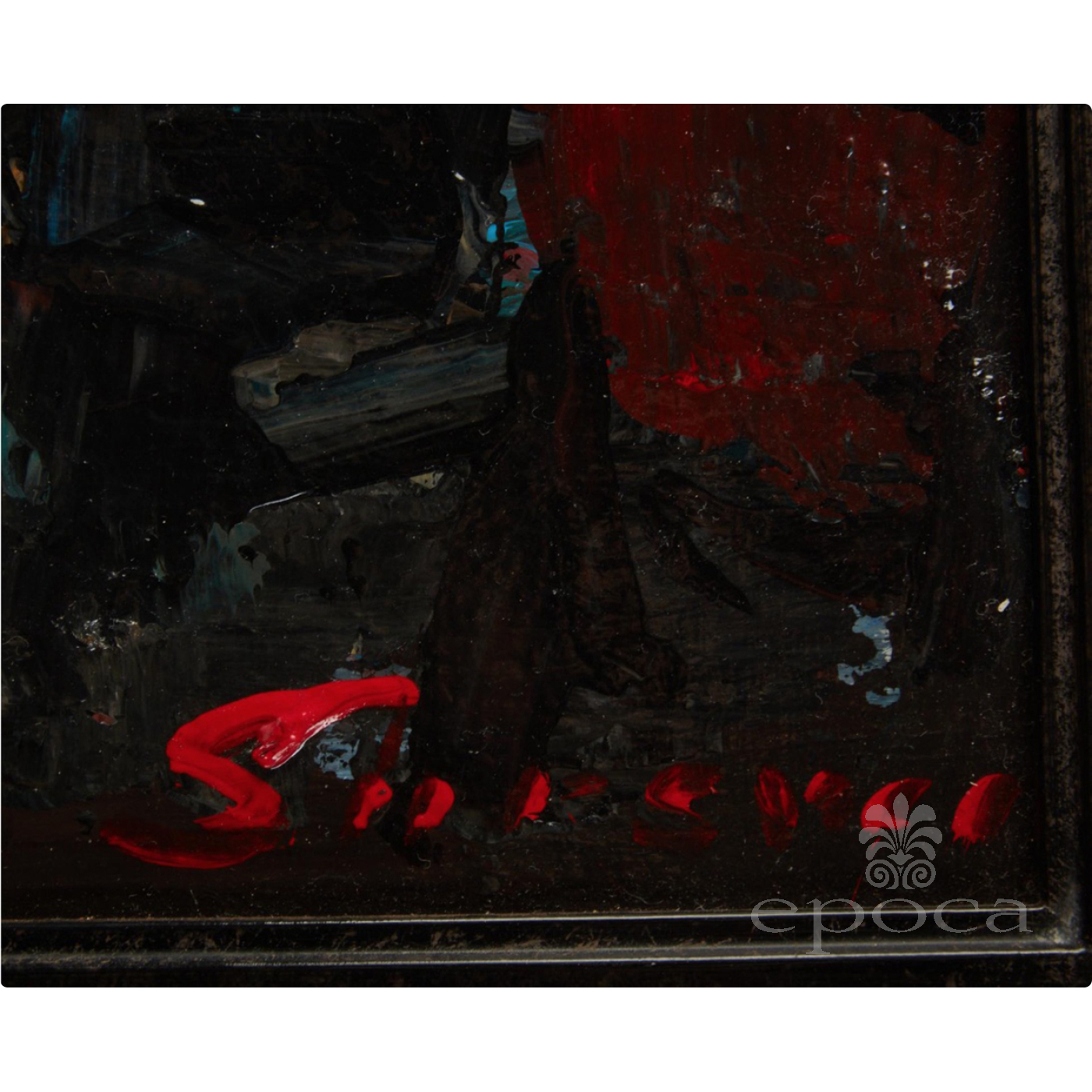
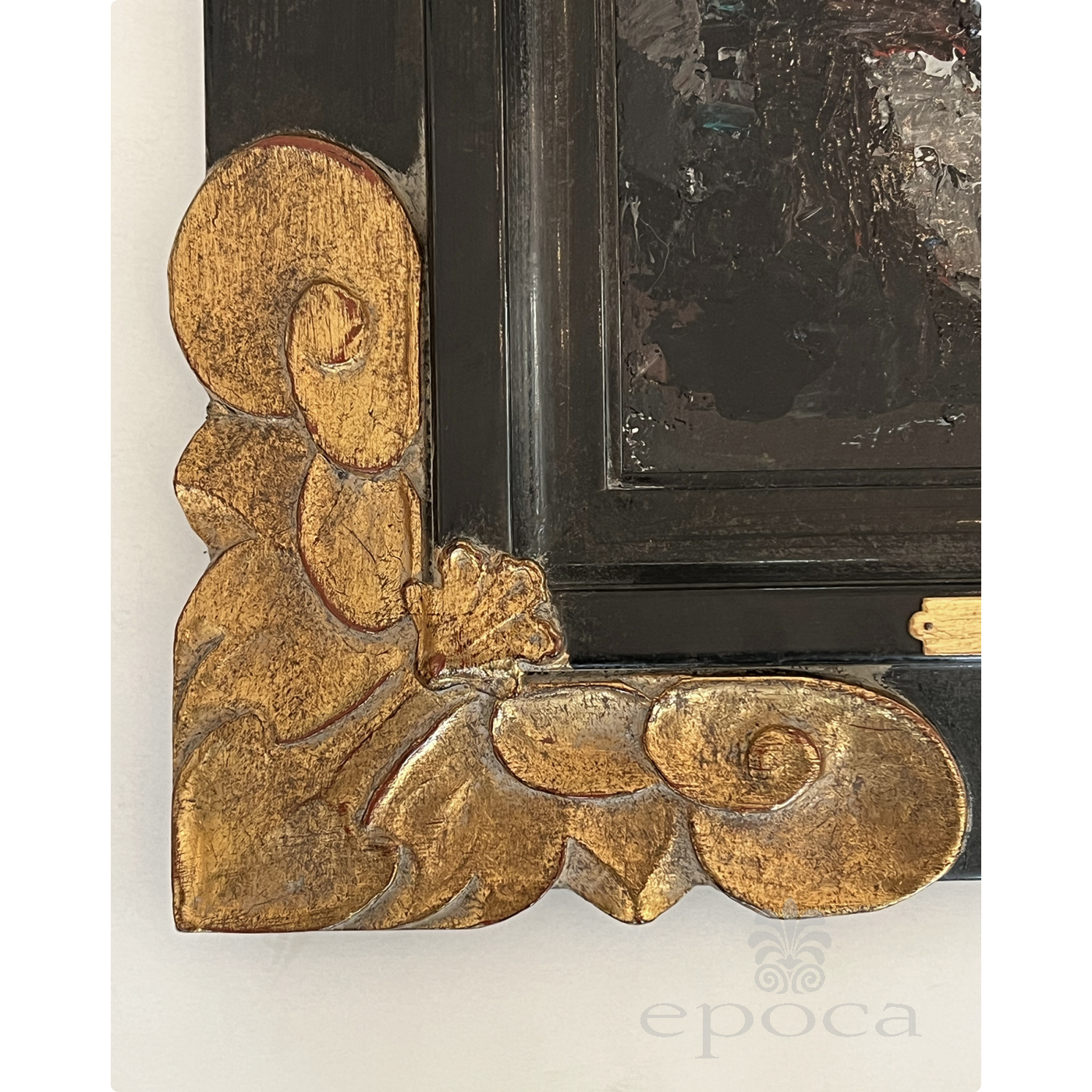
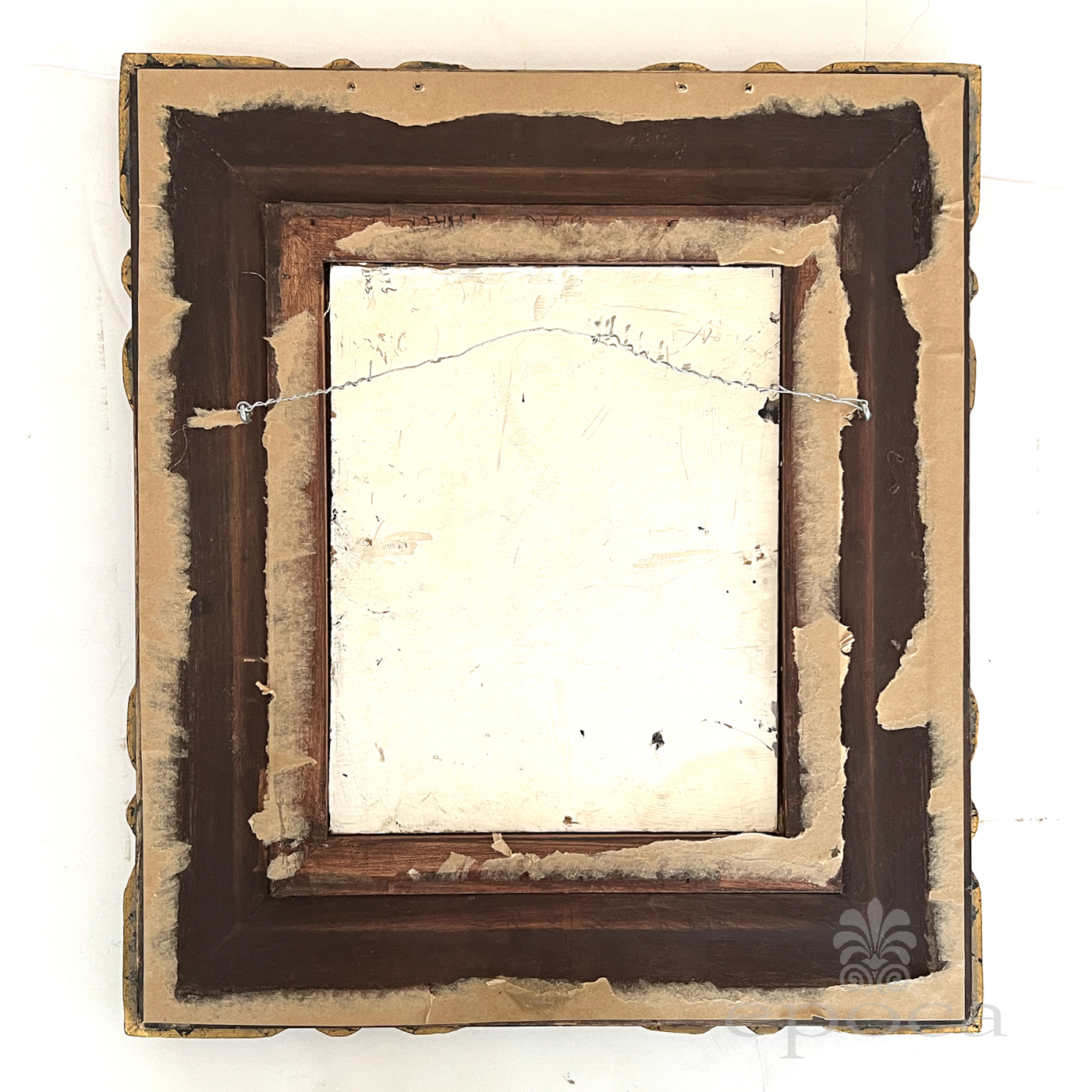
a fine example of post-war abstract expressionism with its emotional and spontaneous thick impasto paint strokes conveying a deep feeling rather than a realistic image; signed lower right 'Savage'; Property from the Collection of Lorna and Milton Berle, Beverly Hills, California; dimensions: 9.5" x 7.5" (sight), 17.5" x 15.5" (frame); with later custom ebonized and giltwood frame; good condition with clean surface
Eugene Savage was one of America’s most successful muralists of the twentieth century. His allegorical compositions are known to library users at Columbia University (Butler Library) and at Yale University (Sterling Library), where he was the Leffingwell Professor of Painting and Design from 1924 until 1958. Murals by him adorn governmental buildings in Washington, D.C., and several state capitals, as well as other institutional buildings throughout the country. Among his most celebrated commissions were those for the Elks National Memorial in Chicago, the Post Office Headquarters in Washington (now the Clinton Office Building), sculpture at Grand Army Plaza in Brooklyn, and mosaics at the United States War Memorial in Epinal, France, and in the Fifth Avenue Presbyterian Church in New York. Savage’s vigorous compositions often feature muscular figures in motion reflecting the mid-century taste for expressive figuration.
Abstract Expressionism was a post-World War II American art movement (1940s-1950s) emphasizing spontaneous, emotional, and often large-scale abstraction, featuring the energetic styles of Pollock & de Kooning and the serene paintings of Rothko & Newman. It broke from tradition with gestural brushwork, dripping, and fields of color, making the process and the artist's inner state central to the artwork's meaning